When the Injury Wire Drops: How Sharp Bettors Profit While the Public Panics
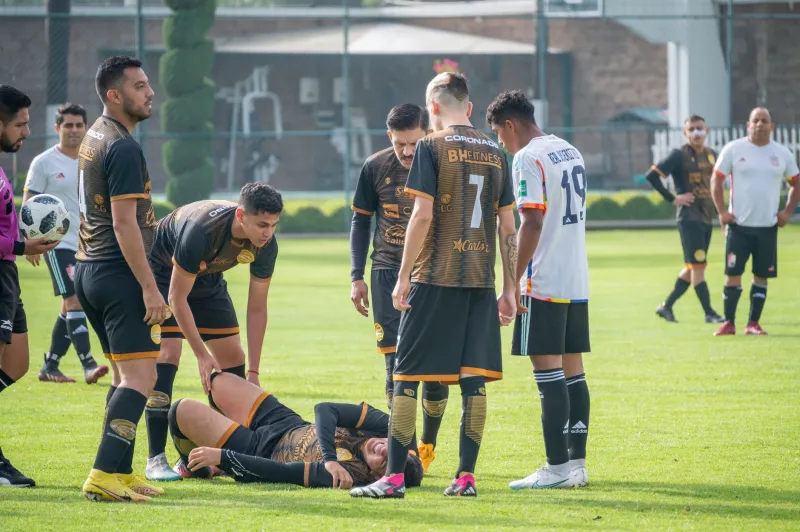
The notification hits your phone. Starting quarterback ruled out. Starting point guard listed as doubtful. A top-five running back just got scratched an hour before kickoff. Within minutes, your social feed is a wall of hot takes, and every casual bettor within a hundred miles is scrambling to adjust their tickets.
Here's the thing: that scramble? That's not a threat to sharp bettors. That's the opportunity.
Most recreational players treat injury news like a fire alarm — loud, urgent, and demanding an immediate reaction. Professionals treat it like a puzzle. The difference in how those two groups respond to the exact same information is where real betting value gets created.
Everyone's Reading the Same Report
Let's start with an uncomfortable truth. When an injury designation drops on the official league injury report, every sportsbook, every sharp syndicate, every casual weekend bettor, and every algorithm in the game sees it at roughly the same moment. There is no information edge in the raw announcement itself.
What creates the edge is interpretation.
Public bettors tend to process injury news in binary terms. Star player out equals team worse equals bet the other side. That logic isn't wrong — it's just incomplete. And when thousands of people apply that same incomplete logic simultaneously, it creates predictable, exploitable line movement that doesn't always reflect actual game-outcome probability.
Sportsbooks know this. They adjust lines not just for the mathematical impact of an injury but for the behavioral impact of how bettors will react to it. That's a key distinction. A line move after a big injury announcement often reflects public money flooding to one side, not a recalibration of true win probability.
The Replacement Value Problem
One of the most common mistakes recreational bettors make is ignoring what happens after a starter goes down. They price in the loss of the known player without pricing in the replacement.
In the NFL, when a top receiver gets ruled out, the public hammers the under or fades the offense. But what they miss is the backup who's been sitting behind that starter for two years in the same system, running the same routes, working with the same quarterback. Sometimes that backup is legitimately capable. Sometimes the offensive coordinator simplifies the scheme in a way that actually makes the offense more efficient in the short term.
Same logic applies in the NBA. A star player sitting out on a back-to-back might feel like a disaster for his team's spread, but consider: coaches often use those games to get role players comfortable, pace of play changes, and the opposing defense has to adjust on short notice too. These ripple effects don't fit neatly into a panic-driven line move.
The sharp approach is to ask not just "who's out" but "what does the team actually look like without them" — and whether the line already accounts for that.
Timing the Wave
Injury-driven line movement usually happens in waves, and understanding the timing of those waves is critical.
The first wave hits immediately after the announcement. Books adjust, but they're also managing liability, not just probability. If a marquee player is scratched and they know recreational money is about to pour onto the other side, they'll shade the line to get ahead of that flood.
The second wave comes as public money starts moving. This is usually where the line swings hardest and where it's most likely to overshoot.
The third wave — and this is where sharp action tends to appear — comes when the line has moved far enough in one direction that professionals see value on the original side. They're not betting against the injury. They're betting against the overreaction to the injury.
If you're watching real-time line movement and you see a number move three or four points in response to an injury, then stabilize or tick back slightly despite continued public betting in one direction, that's a signal. Sharp money has entered the other side. The line is being held up by professional action against the grain of the public panic.
Which Injuries Actually Move the Needle
Not all injuries are created equal from a betting standpoint. Knowing which ones genuinely alter game outcomes — versus which ones just feel significant — is a skill worth developing.
High-impact, market-moving injuries:
- Starting quarterbacks in the NFL (especially when the backup is inexperienced or the system is heavily QB-dependent)
- Primary ball-handlers in the NBA on teams with limited playmaking depth
- Starting pitchers in MLB (this one's obvious, but the market is so efficient here that the edge is usually minimal unless you're ahead of the wire)
- Top-line centers in the NHL when the backup goalie is a significant downgrade
Injuries the market often overvalues:
- Skill position players in run-heavy NFL offenses
- Secondary scoring options in the NBA who play alongside a dominant star
- Relievers in baseball (unless it's a closer in a one-run game)
- Defensive players in high-scoring college basketball environments
The general principle: the more a team's offensive or defensive scheme runs through a single player, the more meaningful their absence. The more interchangeable the role, the more likely the market is overpricing the loss.
Building Your Own Injury Response Framework
Rather than reacting to injury news the same way the crowd does, try building a repeatable process:
-
Identify the announcement time. Was this news expected, or did it drop late? Late scratches have less time for the market to correct, which can mean more mispricing.
-
Check the backup. Look at actual stats, not just reputation. Has this player performed in spot starts before? What does the matchup look like for them specifically?
-
Watch the line movement, not just the line. A number that moves fast and then stabilizes is telling you something different than one that keeps drifting.
-
Ask whether the injury is already baked in. If a player has been listed as questionable all week, the market has likely been pricing in a partial probability of absence already. A confirmed scratch in that case might move the line less than you'd expect.
-
Look for the counter-narrative. Is there any legitimate reason the injured team might still cover or win outright? Motivated players, favorable matchup, weather factors, revenge game dynamics? If the public is all on one side and there's a credible counter-case, that's worth examining.
The Discipline Side of This
Here's the part nobody likes to hear: sometimes the correct play after an injury announcement is to do nothing. Not every injury creates a betting opportunity. Some line moves are perfectly efficient. Some injuries are exactly as impactful as the public thinks they are.
The sharpest bettors aren't the ones who always have an angle. They're the ones who know when there isn't one and sit on their hands.
At SolBet88, we talk a lot about playing bold — but bold doesn't mean reactive. It means deliberate. It means seeing the same information everyone else sees and being disciplined enough to either find the angle others missed or recognize when the market got it right.
The injury wire is going to keep dropping. The public is going to keep panicking. And the window for smart, patient bettors to step in and find value in the chaos isn't going anywhere either.