Reading the Run: A Cooler Head's Guide to Betting Games While the Clock Runs

Photo: Dan Rademacher from Oakland, CA, USA, CC BY 2.0, via Wikimedia Commons
Live betting is where the sportsbook industry's growth is happening, full stop. Every major US book has poured resources into in-game markets because they've figured out something important: bettors make their worst decisions when the clock is running and their team just fumbled.
That's the bad news. The good news? The same emotional chaos that drains most players creates the mispriced lines that reward the ones keeping their cool.
Momentum Is Real. Momentum Bets Usually Aren't.
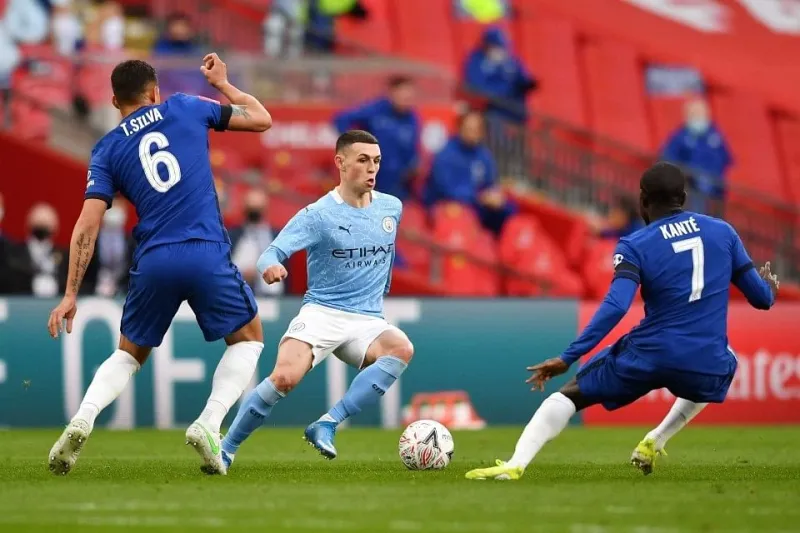
First, a distinction. Momentum in sports is genuine — a defense on the field for a 12-play drive tires out, a basketball team down 15 starts pressing, a pitcher losing the strike zone gets punished. The game genuinely changes.
But here's what most live bettors miss: by the time you feel the momentum, the line already moved. The book's algorithms and the market's money have repriced the game within seconds of the big play. If you're betting because you watched a 70-yard touchdown and think "this team's rolling," you're buying at the top.
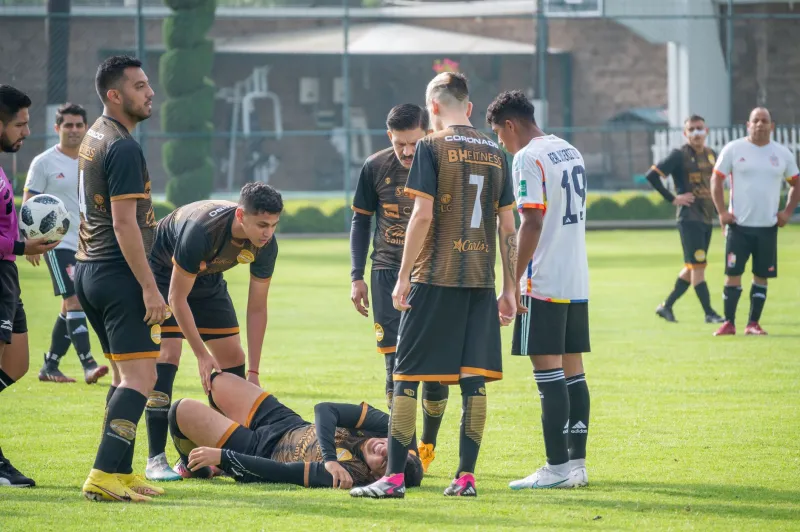
The real edge in live betting is the opposite play: spotting when the market overreacts to a single moment. A fluke special-teams touchdown, a questionable ejection, an injury scare where the starter walks off under his own power — these are the spots where a live line swings harder than the actual win probability moved. That's your window.
The One-Play Overreaction
Live algorithms price games on the current score, time remaining, and down-and-distance. They're fast, but they're not wise. A team down 10 in the third quarter that just lost a fumble at midfield might be priced like a doomed underdog — even if the underlying game script says they've moved the ball all day and the fumble was pure variance.
Your job as a live bettor is to ask one question the algorithm can't: does the scoreboard match what I've actually watched? If a team has outgained its opponent by 150 yards but trails by a touchdown because of one bad break, the live line on that team is probably cheaper than it should be.
The Pre-Game Homework Advantage
Here's something the recreational crowd skips entirely: live betting rewards preparation more than any other format. You have seconds to act. If you haven't done the work beforehand, you can't.
Before kickoff, know:
- Injury situations — which starter is questionable, who's the backup, how big is the drop-off.
- Game scripts — which team needs to pass when trailing, which coach gets conservative with a lead.
- Weather — a wind gust live line on a total moves slower than it should in bad weather games.
- Your pre-game read — if you liked a team at -3 and you can now get them at +7 live after a fluke score, that's a gift, not a chase.
The Emotional Checklist
Live betting's greatest danger isn't the market — it's you. A bet placed 30 seconds after your team's rival scores is not a bet; it's a reaction. Before any in-game wager, run this checklist:
- Am I betting on the game or against my feelings? If your heart rate is up, wait one full commercial break.
- Would I make this bet if the game were offline? If you wouldn't touch this line pre-game, don't touch it live.
- Do I have a number in mind? Decide your price before you look at the screen. If the line's better than your number, bet it. If not, pass.
- Is this within my unit size? Live betting is not an excuse to triple your stake because it feels urgent. 2% is 2%, even when the clock's running.
- How many live bets have I already placed tonight? More than three or four in a single game usually means you're trading, not betting.
Strike Slow, Hit Hard
The best live bettors place fewer bets than the worst ones — they just place them at better prices. Treat in-game wagering like a sniper's game, not a slot machine: watch, wait, and only pull the trigger when the market's panic hands you a number you've already decided you want.
Play bold. Just make sure the boldness is in the price you're getting, not the speed of your thumb.